Interior Design and Functional Landscaping
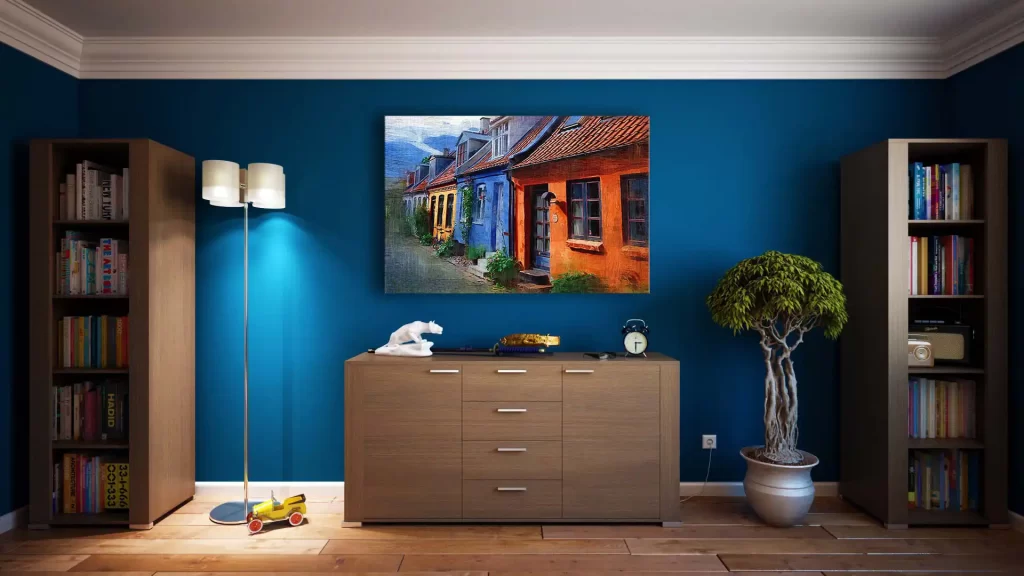
Creating harmony between interior architecture and exterior environments True architectural excellence goes beyond structure. It lies in how a space is experienced—from the textures underfoot to the views beyond the window. At AA Building Co., we view interior design and functional landscaping not as separate disciplines, but as integrated components of a unified spatial experience. In Costa Rica, where nature is vibrant and ever-present, the challenge is not to dominate the landscape—but to live in dialogue with it. This article explores how we approach design from the inside out and the outside in—connecting interior spaces with smart, resilient, and meaningful outdoor environments. 1. Interior spaces that reflect purpose and personality Each project begins with understanding the people who will inhabit the space. Our interiors are designed for comfort, usability, and atmosphere. From flexible living areas to efficient workspaces, our interiors reflect both contemporary design trends and the local way of life in Costa Rica. We focus on: Key takeaway: The best interiors are lived-in, not just looked at. 2. Landscaping as a functional extension of architecture We approach landscaping as a continuation of the architecture, not decoration. That means: The result is outdoor space that feels intentional, usable, and sustainable—whether it’s a tropical garden, a rooftop patio, or a multifunctional courtyard. Key takeaway: Landscaping should work just as hard as any room in the house. 3. Seamless transitions between inside and out In tropical climates like Costa Rica, we design transitional spaces—covered terraces, indoor-outdoor lounges, patios with sliding walls—that dissolve the boundary between interior and exterior. These spaces not only expand livable square footage but enhance well-being. Key takeaway: Architecture flows best when boundaries blur. 4. Materials that unify both environments We often use continuous materials—such as terrazzo, polished concrete, or tropical hardwoods—that visually and functionally connect interior flooring with adjacent outdoor surfaces. This creates a sense of flow, cohesion, and spatial calm. Key takeaway: Thoughtful materials make spaces feel larger and more coherent. 5. Design for the senses A well-designed home or commercial space isn’t just seen—it’s felt. We use textures, scent-rich landscaping (like ylang-ylang, citrus, or rosemary), and acoustic strategies to create immersive environments that stimulate the senses and encourage wellness. Key takeaway: Design that feels good lives well. Final Thoughts At AA Building Co., we believe the beauty of architecture lies not only in its form, but in its function—and in how it connects humans to nature. Interior design and landscaping are two expressions of this philosophy. Together, they shape daily rituals, comfort, and identity. Whether you’re planning a home, a resort, or a commercial development in Costa Rica, we’re ready to bring your vision to life from the inside out. View our latest projects here or contact our team to begin designing a space that lives in harmony with its environment. Interior design Costa Rica, landscaping architecture Costa Rica, tropical home design, indoor-outdoor living, sustainable landscaping, functional landscaping, AA Building Co., Costa Rican design, architecture with nature
Materials and Construction
Smart choices for resilient, sustainable architecture in Costa Rica Every architectural project is a response to its context—and materials are the language that give that response form. At AA Building Co., we understand that choosing the right construction systems and materials is not just about aesthetics or cost. It’s about durability, efficiency, climate adaptability, and long-term performance. Costa Rica presents a unique set of opportunities and challenges: tropical climate, seismic zones, diverse topography, and a growing demand for sustainable construction. Through years of experience, we’ve developed an approach that balances local materials, advanced construction technologies, and context-driven strategies. 1. Tropical climate requires resilient and breathable materials In regions with high humidity and rainfall, the wrong material choice can lead to rapid deterioration. We favor breathable, low-maintenance materials like fiber-cement panels, treated native woods, and exposed concrete with water-repellent sealers. We also design with ventilated façades and roof systems that encourage airflow and minimize thermal gain. Key takeaway: Materials must respond to climate—not just design trends. 2. Hybrid construction systems enhance performance and speed We often integrate hybrid systems—such as combining steel frames with concrete block infill or using light-gauge metal framing with panelized enclosures. These systems offer faster construction times, reduced waste, and better seismic performance—essential in a country like Costa Rica. Key takeaway: The right system reduces construction time while improving resilience. 3. Local materials connect architecture with place We actively seek ways to incorporate materials of local origin, not only to reduce environmental impact, but to ground the architecture in its geographic and cultural context. Wood species like teak, melina, and cedar, locally sourced stone, and artisanal finishes give each project a sense of authenticity and permanence. Key takeaway: Material selection is a cultural act as much as a technical one. 4. Efficiency begins with construction systems Choosing the right construction system from the beginning can define the success of a project. Prefabricated components, modular design, and BIM-based coordination reduce on-site conflict and increase budget predictability. We prioritize buildability, ensuring that what’s designed can be executed cleanly and precisely. Key takeaway: Buildability and design excellence go hand in hand. 5. Sustainable materials are the future—now Clients increasingly demand buildings that reflect ecological responsibility. We specify low-VOC finishes, recycled aggregates, FSC-certified wood, and solar-ready roofing systems as part of our baseline. Our role as architects is to push for solutions that benefit both the environment and the user experience. Key takeaway: Sustainability isn’t a feature—it’s a foundation. Final Thoughts Architecture is more than form—it is matter. The materials we choose and the systems we implement define how spaces will age, perform, and connect with their users. At AA Building Co., we treat these decisions as opportunities to elevate every project. Whether it’s a beachfront villa or a high-performance office space, we bring together technical rigor and design sensitivity to deliver architecture that’s as intelligent as it is beautiful. Explore our work here or contact us to learn more about how materials and systems shape exceptional architecture in Costa Rica. SEO Keywords: architecture in Costa Rica, tropical construction systems, sustainable building materials, hybrid construction Costa Rica, local architecture materials, AA Building Co., modern architecture systems, passive design Costa Rica, smart construction
Lessons from Works: Real Cases
Real experience that shapes architectural design in Costa Rica In the world of architecture, theory is just the starting point. True mastery is proven on-site, where challenges are real and decisions carry lasting impact. At AA Building Co., we believe every project is an opportunity to learn, evolve, and redefine what it means to build with purpose. This article shares some of the most valuable lessons we’ve learned from real-life construction projects in Costa Rica, from high-end coastal residences to sustainable commercial buildings in the Central Valley. These experiences not only enrich our portfolio, but reinforce our commitment to responsible, functional, and meaningful architecture. 1. Adapting to the environment is essential Costa Rica’s geographic and climatic diversity presents unique design challenges. One of our most important takeaways is learning how to adapt architectural design to the natural environment. In coastal regions like Guanacaste and the Pacific, we’ve implemented passive ventilation, solar control strategies, and local materials—not just for energy efficiency, but to create harmony with the surrounding landscape. Lesson learned: Integrating the natural environment isn’t optional—it’s a technical and ethical responsibility. 2. User-centered design creates long-term value In numerous residential projects, we’ve found that actively listening to end users transforms the functionality of a space. It’s not just about aesthetics; it’s about designing homes and commercial areas that align with the routines, needs, and aspirations of the people who live and work in them. Lesson learned: Good design is measured by the quality of life it provides in the long run. 3. Sustainability is not a trend—it’s the standard From rainwater harvesting systems to low-impact materials, each of our projects is an opportunity to embrace sustainable design principles. In recent builds, we’ve incorporated green roofs, solar panels, and certified timber as part of an integrated approach. Lesson learned: Building with tomorrow in mind is not only possible—it’s essential. 4. Early planning saves time and money Thanks to our fully integrated architecture, engineering, and construction model, we’ve learned that early coordination among disciplines prevents costly errors. Tools like BIM modeling and integrated scheduling have helped us deliver projects on time and with the highest standards of quality. Lesson learned: Early collaboration between specialists leads to better resource use and better outcomes. 5. Trust is the foundation of every successful project In our experience, the most successful projects are those where open communication exists between client, architect, and contractor. Building relationships based on trust has allowed us to overcome unforeseen obstacles and deliver outstanding results. Lesson learned: Architecture is as much about human connection as it is about technical execution. Final thoughts Every construction site teaches us something. At AA Building Co., each project in Costa Rica strengthens our commitment to thoughtful, efficient architecture tailored to local realities. This hands-on, human-focused approach is what enables us to deliver unique solutions with local character and global vision. Looking to develop a project in Costa Rica? Explore our portfolio and get in touch to start building a story that leaves a lasting mark. architecture in Costa Rica, sustainable design, architectural case studies, real-world architecture, tropical architecture, construction lessons, residential architecture Costa Rica, architectural firm Costa Rica, AA Building Co.
Planning and Project Management in Construction: The Key to Successful Buildings
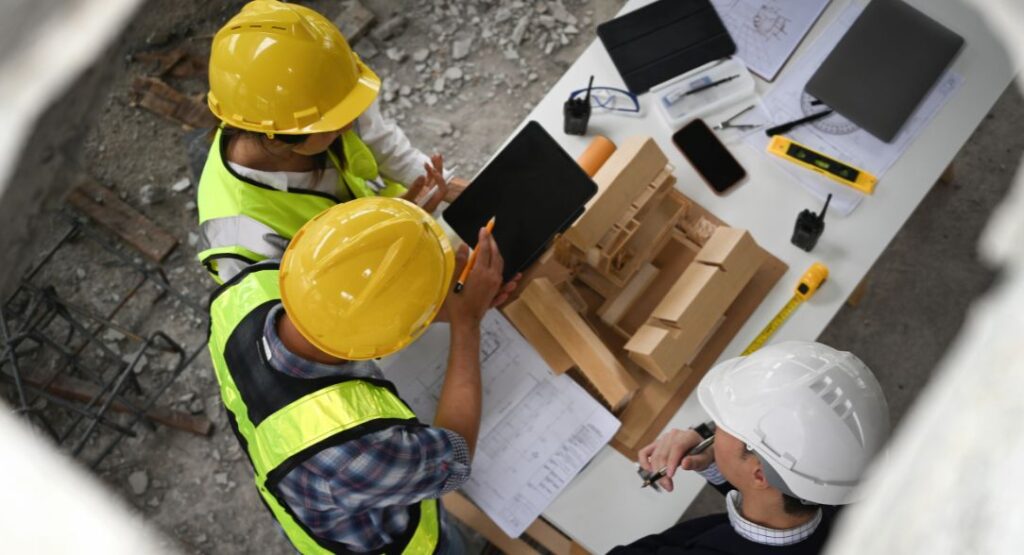
In the construction industry, effective project planning and management are critical to ensuring that developments are completed on time, within budget, and in accordance with the required quality standards. Construction projects are inherently complex, involving numerous stakeholders, a wide array of materials and equipment, and interdependent processes that must be strategically coordinated. What Is Construction Planning? Construction planning refers to the systematic definition and organization of all phases of a project—from land acquisition and preliminary assessments to the final handover. This process entails identifying and allocating human, material, and financial resources, as well as developing a comprehensive schedule to mitigate delays and avoid cost overruns. Core Components of Construction Planning: Construction Project Management Project management in construction focuses on the structured execution of the project plan. It encompasses the coordination of multidisciplinary teams, subcontractors, and suppliers while continuously monitoring performance in terms of cost, schedule, quality, and compliance. Key Responsibilities of a Construction Project Manager: Advantages of Effective Construction Planning and Management Recommended Tools and Technologies Adopting industry-standard project management software—such as Microsoft Project, Oracle Primavera P6, or Building Information Modeling (BIM)—is essential for enhancing collaboration, real-time tracking, and overall project visibility. Conclusion In today’s construction environment, meticulous planning and disciplined project management are not optional—they are imperative for achieving success. A well-executed project from initial conception to final delivery leads to safe, resilient, and cost-effective developments that meet stakeholder goals and generate long-term value.
From Engineering to Design: Personalized Building Experiences
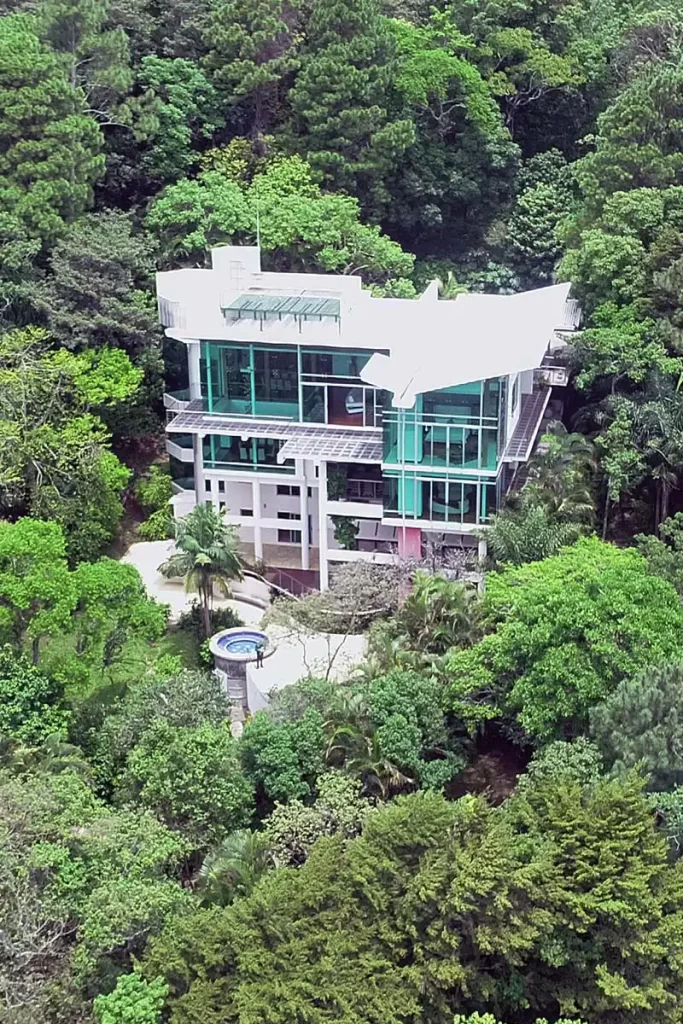
Log in or sign up to view+6 At AA Building Co, we believe that exceptional buildings begin long before the first brick is laid. Our projects are not just about construction—they’re about listening, planning, collaborating, and creating something truly personal. With over 22 years of experience in Costa Rica’s residential and boutique hotel sector, we’ve learned that the journey from engineering to design is as important as the final result. A bespoke home nestled in Costa Rica’s lush landscape.kaadesigngroup.com The Foundation: Engineering with Purpose Every project starts with a strong foundation, both literally and figuratively. Our team approaches engineering with precision, ensuring that each structure is built to stand the test of time. But beyond strength, we also consider functionality, sustainability, and how each space will serve the people who live in it. From the terrain and materials to local climate considerations, engineering is the stage where we solve problems before they arise—and where your vision starts to take shape. Meticulous planning ensures structural integrity and longevity.aabuilding-unique building company The Transformation: Designing with Intention Once the technical groundwork is in place, design brings the project to life. We work closely with talented architects to craft homes and hotels that reflect our clients’ personalities and dreams. Whether it’s the warmth of natural materials, the elegance of clean lines, or the creativity of custom details, design is where emotion meets form. In every detail—windows that frame mountain views, layouts that invite connection, finishes that speak to your style—we aim for more than just aesthetics. We aim for meaning. A Collaborative Journey What makes a personalized building experience truly successful is collaboration. From the very first consultation, we involve our clients as partners. We listen, we advise, and we remain transparent every step of the way. Our process is designed to give you peace of mind while ensuring that your ideas are always at the forefront. Working hand-in-hand with clients to bring visions to life. Let’s Build Something Unique Whether you’re envisioning a cozy jungle retreat or a modern coastal home, AA Building Co is here to make that vision a reality. Stay tuned for future posts where we’ll share project spotlights, design tips, and construction insights from the field. If this story resonates with you, share it with someone who dreams of building something special in Costa Rica. Great spaces begin with great ideas—let’s create yours. Tailored constructions that reflect individual dreams.Designboom+1ad-c.org+1