From Vision to Reality: How AA Building Co. Masters Project Planning and Management
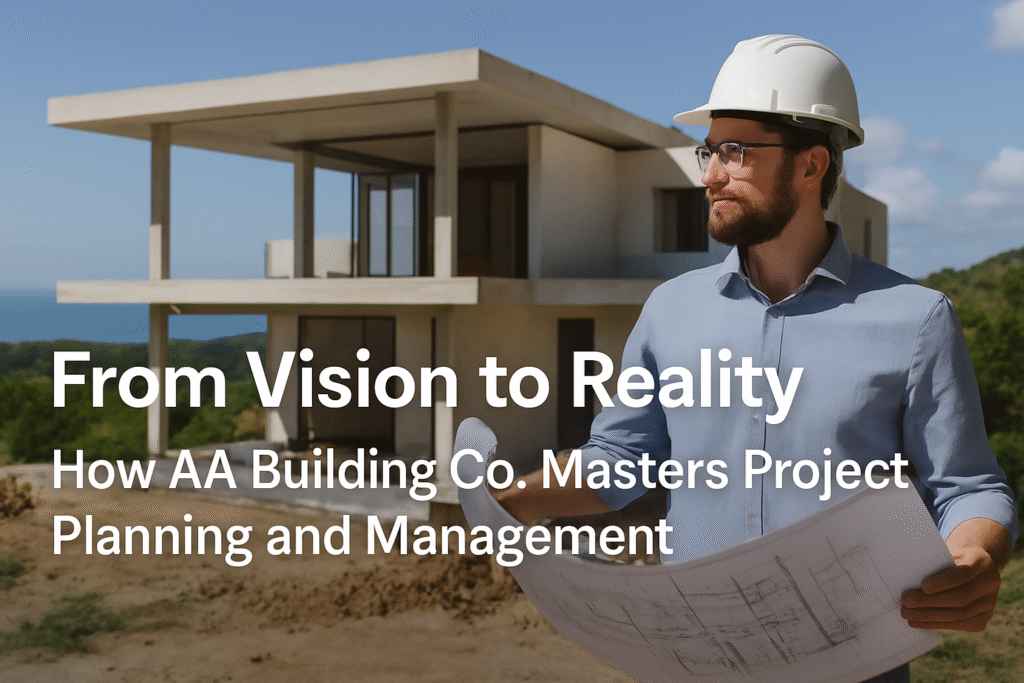
At AA Building Co., we don’t just build homes — we craft experiences. Our approach to project planning and management ensures that every custom home in Costa Rica is delivered with precision, transparency, and excellence. Whether you’re dreaming of a coastal retreat or a mountain sanctuary, our process transforms your vision into a reality that exceeds expectations. What Sets Our Planning Apart? We believe that successful construction begins long before the first brick is laid. Our planning process is rooted in: Why It Matters for Custom Homes Building a unique home requires more than just materials — it demands foresight, coordination, and trust. Our planning process ensures: We understand that your home is a reflection of your identity. That’s why our project management approach is designed to be as personalized and meticulous as the homes we build. Local Expertise, Global Standards Operating in Costa Rica means navigating unique terrain, climate, and regulations. Our team combines local knowledge with international best practices to ensure every project is compliant, sustainable, and built to last. We handle permits, inspections, and logistics so you can focus on the excitement of building your dream home.
Embracing Technology and Trends for Smarter, More Efficient Projects

The construction industry is undergoing a profound transformation driven by technology and innovative trends. From automation and digital tools to sustainable practices, construction is becoming more efficient, precise, and environmentally responsible. At AA Building Co., we believe staying on top of these advancements is essential to delivering high-quality, cost-effective, and future-proof projects. Let’s explore how the latest technologies and trends are shaping the future of construction and why embracing them is key to success. 1. Building Information Modeling (BIM): Revolutionizing Project Management One of the most game-changing technologies in construction today is Building Information Modeling (BIM). BIM is a digital tool that enables architects, engineers, and contractors to collaborate on a 3D model of a building or infrastructure project. Unlike traditional blueprints, BIM provides a comprehensive, real-time view of a project, allowing for better planning, design, and execution. BIM enhances project accuracy, reduces errors, and enables better decision-making throughout the construction process. With BIM, teams can visualize potential problems before they occur, optimize building systems, and even manage post-construction maintenance. This not only saves time and money but also reduces waste and improves sustainability by allowing for more efficient resource allocation. 2. 3D Printing in Construction: Precision and Customization 3D printing is another revolutionary trend in construction, offering incredible precision and customization. By using 3D printers to create building materials or even entire structures layer by layer, construction companies can reduce waste, lower costs, and produce highly detailed components. From 3D-printed concrete walls to custom-designed structural elements, this technology is pushing the boundaries of what’s possible in construction. Additionally, 3D printing can enable the rapid construction of homes and buildings in areas affected by natural disasters or housing shortages, making it a vital tool in addressing global construction challenges. 3. Drones: Transforming Site Surveys and Inspections Drones are rapidly becoming indispensable tools in construction, offering a cost-effective and efficient way to conduct site surveys, monitor progress, and perform inspections. Drones can capture high-resolution images and videos, providing valuable data on project status, site conditions, and any potential issues. In the past, site inspections could be time-consuming and labor-intensive. Now, drones can quickly map out terrain, measure distances, and detect issues that may have gone unnoticed. This technology not only enhances safety by keeping workers off dangerous sites but also accelerates project timelines by streamlining data collection and analysis. 4. Sustainable Building Materials and Green Construction Sustainability is at the heart of today’s construction trends. As the demand for eco-friendly buildings continues to rise, more companies are turning to sustainable building materials and practices. Innovations in green construction are paving the way for energy-efficient, environmentally responsible buildings that are both cost-effective and healthier for occupants. Some of the most popular sustainable materials include recycled steel, bamboo, hempcrete, and low-carbon concrete. Additionally, energy-efficient systems like solar panels, green roofs, and smart HVAC technologies are being incorporated into both new builds and renovations. The shift toward green construction not only helps reduce the environmental footprint but also enhances the long-term value of buildings. 5. Smart Construction: Integrating IoT and Automation The rise of the Internet of Things (IoT) and automation is transforming the way buildings are constructed and managed. Smart construction involves integrating connected devices, sensors, and automation systems to improve efficiency, safety, and monitoring throughout the construction process. For instance, IoT-enabled sensors can track real-time data on everything from materials inventory to worker productivity. Automated machinery and robotic construction tools can carry out repetitive tasks with greater precision and speed. Additionally, connected systems in buildings can monitor energy use, security, and other factors, ensuring optimal performance even after construction is complete. 6. Modular and Prefabricated Construction: Speed and Flexibility Modular and prefabricated construction methods are gaining traction due to their ability to speed up the building process while maintaining high standards of quality. These methods involve constructing sections or modules of a building off-site in a factory setting and then assembling them at the final location. This approach offers numerous benefits, including faster construction times, reduced waste, and cost savings. It also provides greater flexibility in design, as modular components can be customized to fit specific needs. This trend is particularly popular in residential construction, hotels, and even healthcare facilities, where speed and scalability are essential. 7. Augmented Reality (AR) and Virtual Reality (VR) in Design and Training Augmented reality (AR) and virtual reality (VR) are transforming the way construction teams visualize and interact with designs. With AR and VR tools, designers and clients can «walk through» a building before it’s built, making it easier to spot potential issues and refine the design. These technologies are also enhancing safety training by creating realistic simulations of construction environments, allowing workers to practice navigating complex tasks without the risks associated with on-site training. By immersing workers in virtual environments, these technologies are helping to reduce accidents and improve safety standards. 8. AI and Machine Learning: Data-Driven Decisions for Smarter Projects Artificial intelligence (AI) and machine learning are making their mark on the construction industry by enabling smarter decision-making based on data analysis. AI algorithms can analyze massive amounts of data to identify patterns, predict project outcomes, and even optimize schedules and budgets. For example, AI can be used to predict when equipment will need maintenance, reducing downtime and improving productivity. Machine learning models can also assess risk factors, helping project managers make better decisions about safety, resources, and timelines. Conclusion The construction industry is rapidly evolving, and embracing the latest technologies and trends is key to staying competitive and delivering high-quality projects. Whether it’s through the adoption of BIM, the use of 3D printing, or integrating smart construction technologies, these innovations are driving greater efficiency, sustainability, and safety in the industry. At AA Building Co., we are committed to incorporating these cutting-edge technologies into every project we undertake, ensuring that our clients benefit from the most advanced, reliable, and cost-effective construction solutions available. The future of construction is here, and we’re excited to be part of this transformative journey.
Creating Harmonious Spaces Inside and Out
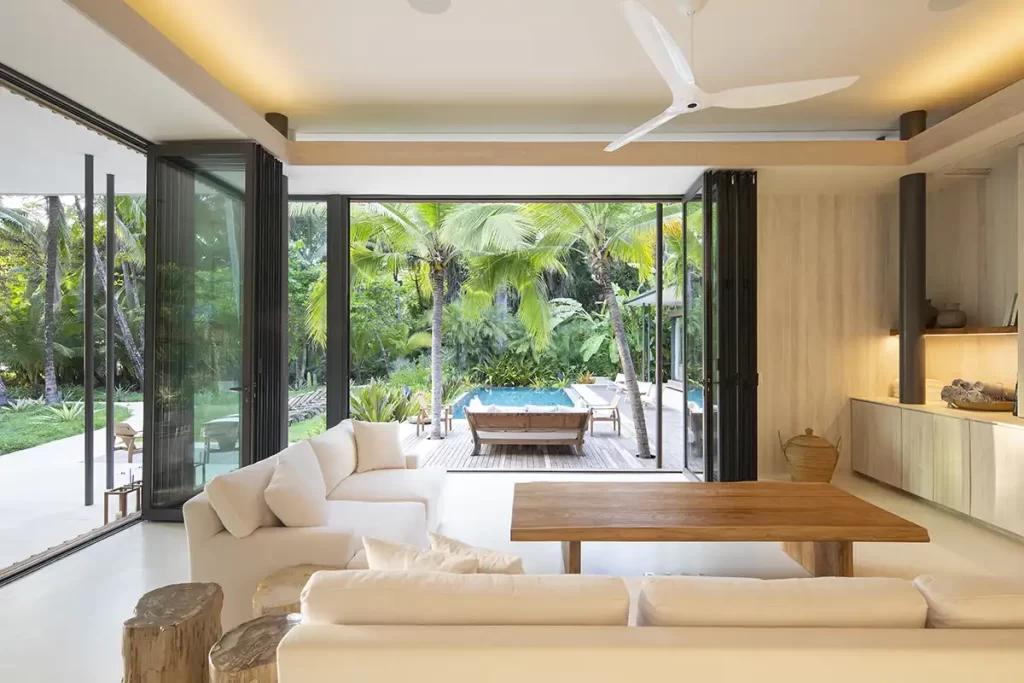
In today’s design landscape, creating spaces that are both beautiful and functional is essential. Gone are the days of designing interiors and exteriors as separate entities. Modern design trends focus on integrating indoor and outdoor living, ensuring that both environments complement each other seamlessly. At AA Building Co., we believe that the right blend of interior design and functional landscaping can transform a house into a home, where every space feels connected and purposeful. The Connection Between Interior Design and Landscaping While interior design shapes the atmosphere and functionality of indoor spaces, landscaping defines the connection to the outside world. When these two elements work together, they create an environment that flows naturally from the inside out. The goal is to establish a cohesive design that allows for easy transitions and enhances both form and function. Whether you’re renovating a home or building from scratch, here are key ways to integrate these two disciplines. 1. Open Floor Plans that Invite the Outdoors In One of the best ways to create a seamless transition between the interior and exterior is through open floor plans. Large windows, sliding glass doors, and expansive openings can bring in natural light and provide views of the outdoor landscape, making the indoors feel like an extension of the outdoors. Designing a living area that opens up to a deck, patio, or garden allows you to create a fluid connection between spaces. This not only brings in more light and air but also gives you more room for entertaining, dining, or simply relaxing in nature without leaving the comfort of your home. 2. Natural Materials for a Cohesive Look Integrating natural materials into both your interior design and landscaping creates a harmonious and organic feel. For example, wooden floors inside the home can be echoed by wooden decking or fencing outside. Stone accents, like a stone fireplace or accent walls, can also be mirrored in an outdoor stone pathway or garden walls. Natural materials such as wood, stone, and metal don’t just enhance the aesthetic of both spaces; they also have a timeless quality that connects the home to its natural surroundings. These materials age beautifully, providing durability and a sustainable touch to your design. 3. Indoor Gardens and Greenery Incorporating greenery into interior spaces is an easy and impactful way to blend landscaping with interior design. Indoor plants, green walls, and even small herb gardens bring the beauty of nature into the home while improving indoor air quality. By using indoor planters, terrariums, or vertical gardens, you can create green focal points that tie back to your exterior landscape. A seamless design might include a potted plant by the window or a lush indoor garden that opens to an outdoor patio, creating a calming and organic feel throughout the space. 4. Functional Outdoor Spaces: Extending Living Areas Landscaping isn’t just about making your garden look pretty; it’s also about creating functional spaces that extend your home’s usable area. From well-designed patios and outdoor kitchens to fire pits and seating areas, functional landscaping adds real value to your home. Consider how you use your outdoor space and design accordingly. A shaded pergola for dining, a raised vegetable garden for growing your own food, or even a cozy lounge area with weatherproof furniture can all contribute to enhancing the overall functionality of your home’s exterior while keeping the aesthetic flow intact. 5. Lighting to Connect and Highlight Both Spaces Lighting is one of the most effective ways to unify interior and exterior spaces, especially when the sun goes down. Strategic lighting in the garden, such as pathway lights, accent lights, and up-lights for trees, can create a warm, inviting atmosphere that extends the feeling of comfort from indoors to outdoors. Inside, the right lighting can draw attention to key architectural features or artwork, while outdoor lighting can highlight the landscape and provide safety and ambiance. Thoughtful lighting design ensures that your spaces are usable and beautiful, no matter the time of day or night. 6. Sustainability and Smart Landscaping Choices Sustainability is not just a trend but a necessity for creating functional and eco-friendly spaces. Opting for low-maintenance plants, drought-resistant grasses, and sustainable outdoor materials can help reduce your environmental footprint. Moreover, selecting energy-efficient indoor lighting and appliances that complement sustainable outdoor landscaping choices ensures that both your interior design and exterior landscaping align with eco-conscious living. Conclusion At AA Building Co., we understand the power of merging interior design with functional landscaping. By thoughtfully designing spaces that work together, you can create a home that feels expansive, cohesive, and connected to nature. Whether it’s designing a spacious interior with seamless outdoor access or incorporating green elements inside, integrating interior design and landscaping transforms any space into a balanced and functional living environment. When done right, interior design and landscaping don’t just coexist; they enhance one another, making your home feel more open, inviting, and truly yours.
Exploring the Future of Construction Materials and Systems: Sustainable Solutions for a Greener Tomorrow

In today’s ever-evolving construction industry, innovation is the key to building structures that are not only durable and cost-effective but also environmentally responsible. The importance of choosing the right materials and construction systems cannot be overstated, as these decisions directly impact the efficiency, sustainability, and longevity of a project. At AA Building Co., we recognize the significance of staying ahead of the curve when it comes to new material technologies and construction systems, ensuring that we deliver the best possible results for our clients and the environment. Sustainable Materials: Building the Future As the world faces the pressing challenges of climate change, the construction industry is making strides toward adopting sustainable building materials. These materials aim to reduce environmental impact while maintaining high-performance standards. Some of the most promising materials include: Advanced Construction Systems: Efficiency Meets Innovation Alongside sustainable materials, advancements in construction systems are transforming the way buildings are designed and constructed. These systems not only improve efficiency but also ensure that projects are completed on time and within budget. Some of the key systems gaining traction in the industry include: Conclusion At AA Building Co., we are committed to staying at the forefront of material and construction system advancements. As the demand for sustainable, energy-efficient buildings continues to grow, we are dedicated to incorporating the latest innovations to ensure that every project we undertake is both environmentally responsible and of the highest quality. By embracing these cutting-edge materials and systems, we are not just building structures – we are shaping the future of the construction industry. Whether it’s using eco-friendly materials, adopting modern construction methods, or integrating smart technologies, the goal is clear: to build a more sustainable, efficient, and resilient world for future generations.
Lessons from the Field: Overcoming Logistical Challenges in a High-Rise Urban Construction Project
Introduction Every construction project presents its own set of challenges—but some projects offer especially valuable lessons that shape how we work in the future. In this edition of “Lessons from Works – Real Cases,” we explore a recent high-rise project managed by A&A Building Co. in a densely populated downtown area. Tight site access, local regulations, traffic coordination, and stakeholder demands made this one of the most complex jobs we’ve tackled. Here’s how we turned these challenges into a successful, on-time, and on-budget delivery—plus what we learned for future builds. Project Overview 1. Challenge: Limited Site Access in a Dense Urban Zone Problem:The construction site was located on a narrow street with only one access point and limited room for staging materials or equipment. Solution:We implemented a Just-In-Time (JIT) delivery system, scheduled material drop-offs during off-peak hours, and coordinated with city officials and nearby businesses to minimize disruption. A digital logistics platform helped ensure precise timing and delivery tracking. Lesson Learned:Advance coordination with municipal authorities and surrounding businesses is just as critical as structural planning. Time invested in early-stage logistics pays off during execution. 2. Challenge: Coordinating Multiple Stakeholders Problem:The project involved public utilities, private investors, building owners, and local residents, all with different expectations and timelines. Solution:We held bi-weekly stakeholder meetings, shared real-time dashboards via a shared project portal, and maintained a dedicated community liaison to manage expectations. Lesson Learned:Transparent communication reduces friction and builds long-term trust. Invest in technology that keeps all stakeholders aligned. 3. Challenge: Noise and Traffic Management Problem:Strict city ordinances limited construction hours and imposed noise-level thresholds and traffic restrictions. Solution:We used low-noise machinery, scheduled high-impact work early in the day, and implemented a traffic management plan with approved detours and signage. We also installed real-time sound sensors for compliance monitoring. Lesson Learned:Compliance is not just about avoiding fines—it’s about maintaining good relationships with the community and minimizing project delays. 4. Challenge: Unforeseen Underground Conditions Problem:Excavation uncovered outdated utility lines not shown in official maps. Solution:Thanks to ground-penetrating radar (GPR) used during preconstruction, we were able to react quickly. We worked with utility providers to reroute lines and rephase parts of the foundation work without halting the entire job. Lesson Learned:Invest in advanced site investigation tools. Even small upfront costs can prevent major delays and redesigns. Results Key Takeaways Conclusion This project proved that even the most logistically challenging jobs can be completed smoothly with proper planning, stakeholder alignment, and strategic use of technology. At A&A Building Co., we believe that every build makes us better. That’s why we share our lessons—to help clients, teams, and partners work smarter and build stronger.
The Key to Success: Planning and Management Strategies for Large-Scale Construction Projects
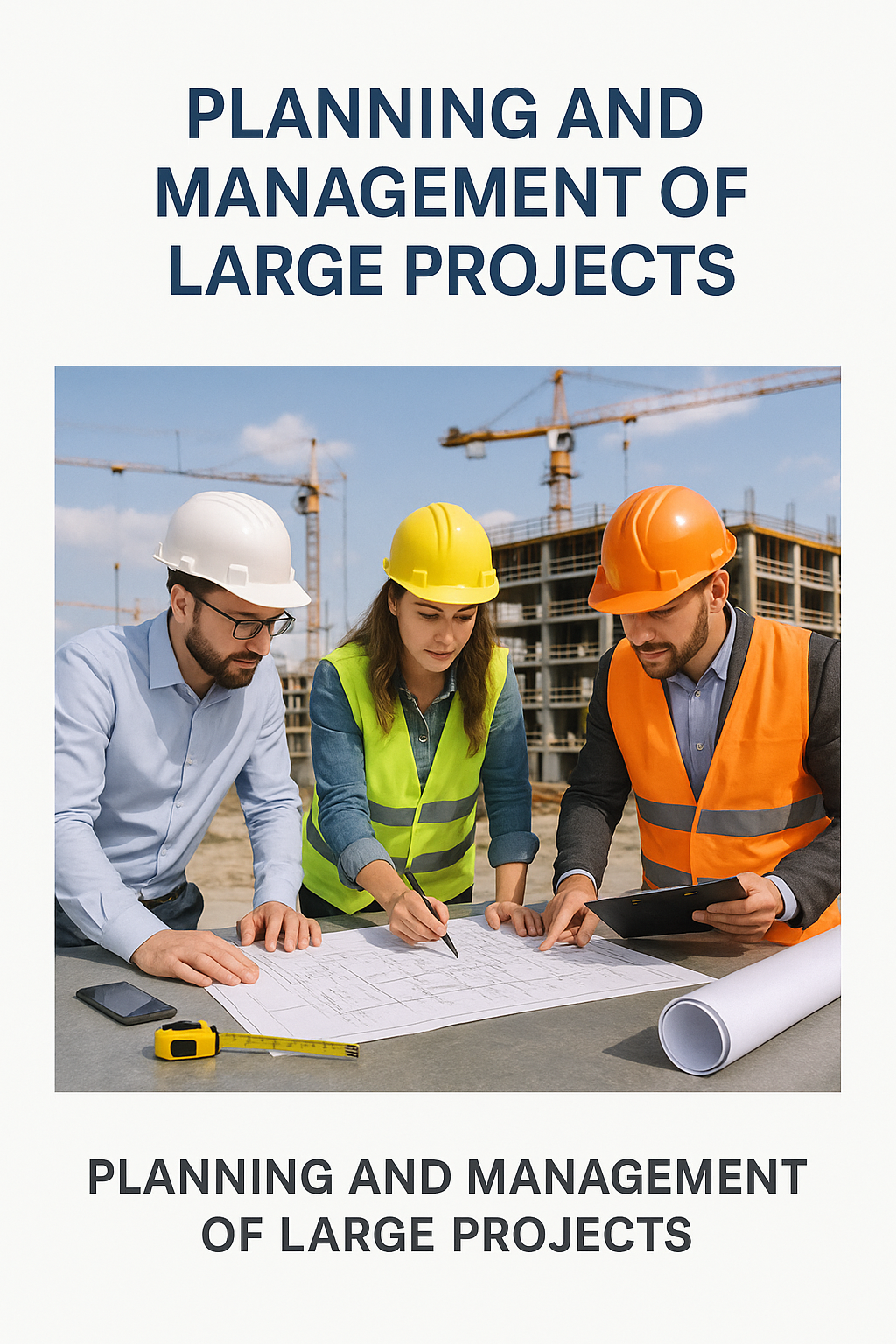
Introduction The success of a large-scale construction project doesn’t depend solely on solid on-site execution. The true key lies in strategic planning and effective management at every stage of the process. From preliminary studies to final delivery, large projects demand vision, experience, and flawless coordination. In this article, we explore best practices in planning and management of large-scale projects, including digital tools, methodologies, and practical tips to avoid cost overruns, delays, and coordination issues. 1. Initial Diagnosis: Understanding the Terrain Before Starting Every major project begins with a deep understanding of the terrain—both physical and financial. This includes: A strong preliminary phase can reduce errors by over 30%, according to reports from the Project Management Institute (PMI). 2. Establishing a Master Plan A large-scale project requires a comprehensive Master Plan, which defines: Tools such as Primavera P6, Microsoft Project, and BIM 5D are essential for visualizing the entire scope of the project. 3. Integration of Multidisciplinary Teams Large projects require collaboration between: Effective communication among these stakeholders is achieved through collaborative platforms like Procore, Buildertrend, or Autodesk Construction Cloud. 4. Real-Time Cost and Budget Management One of the main causes of failure in megaprojects is poor financial control. Solutions like BIM 5D and construction-specific ERP systems enable: 5. Schedule Management: The Art of Meeting Deadlines Using agile methodologies adapted to the AEC environment (Architecture, Engineering & Construction), such as SCRUM or the Last Planner System, helps keep milestones on track without losing flexibility in the face of unexpected changes. 6. Quality, Safety, and Environmental Standards (QSHE) Large projects must adhere to strict standards in three areas: 7. Technology as an Ally: Drones, IoT, and Digital Twins New technologies are transforming the way we manage large-scale construction: Conclusion Effective planning and management of large-scale projects is not optional—it’s the foundation of success. With a clear strategy, aligned teams, and smart use of technology, any challenge can become an opportunity to build with excellence. Ready to take your project to the next level? At A&A Building Co., we specialize in turning ambitious ideas into solid structures. Contact us for a personalized consultation on planning and managing your next large-scale project. large-scale construction planning, construction project management, project management in construction